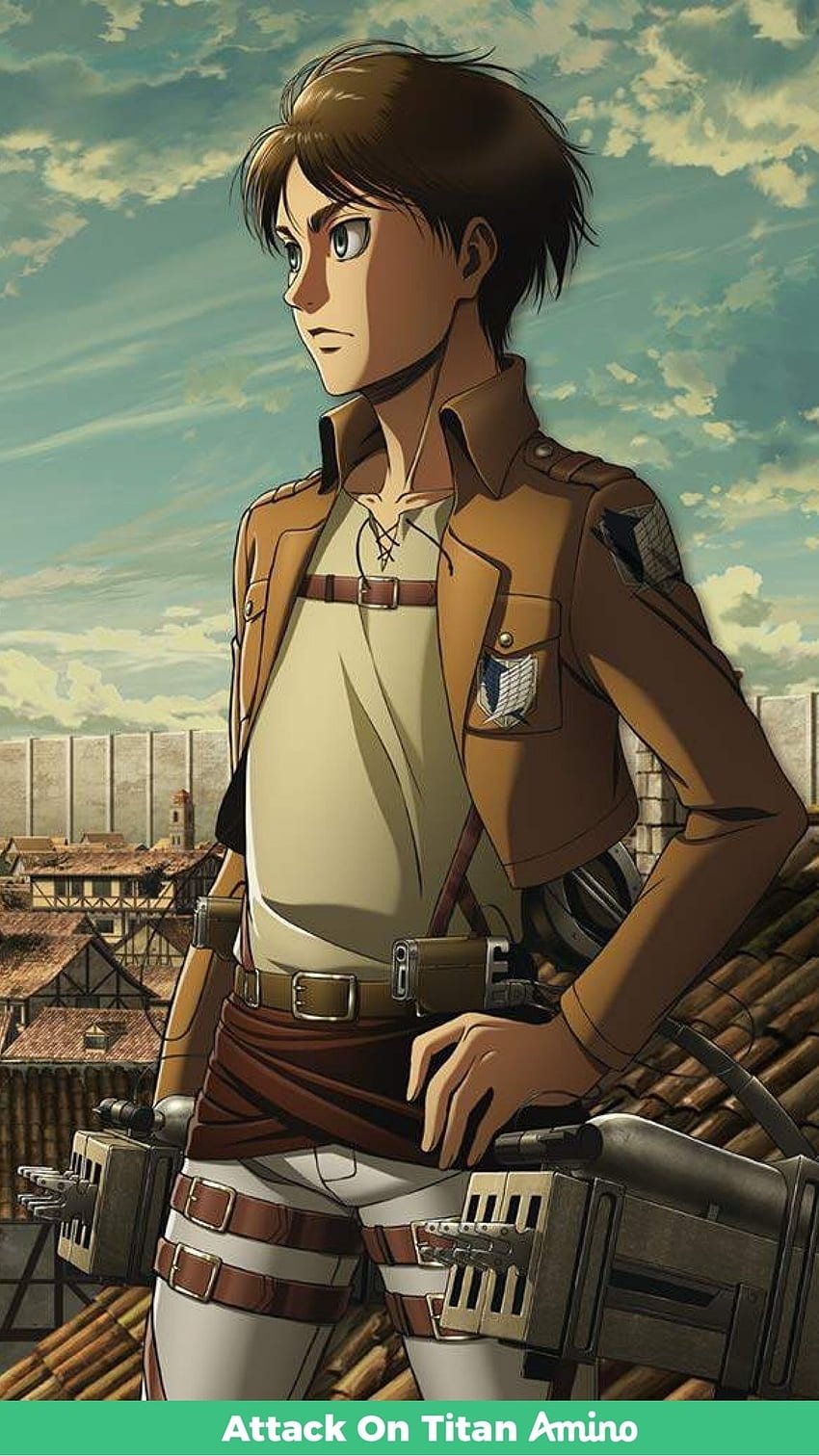
The anime and manga worlds are vast, filled with compelling characters and intricate narratives that capture our imaginations. Sometimes, these worlds even blend in our minds, sparking exciting "what if" scenarios. One such intriguing query that has popped up in discussions is the idea of "Eren Yeager in That Time I Got Reincarnated as a Slime." It’s a fascinating thought, combining a titan-shifting hero with a powerful, slime-turned-demon lord. But what’s the real story behind this crossover concept?
This flagship hub is designed to cut through the speculation and provide a definitive explanation. We'll explore the origins of this intriguing idea, clarify what’s canon and what’s fan-driven, and help you navigate the vibrant, sometimes confusing, landscape of anime fandom. Let's dive deep into understanding this particular crossover phenomenon.
Unpacking the Myth: Is Eren Yeager Really in the Slime Universe?
First things first: for fans eager to see the protagonist of Attack on Titan battling alongside or against Rimuru Tempest, we need to address the official canon. As of now, there has been no official, canonical crossover event, manga chapter, or anime episode that places Eren Yeager within the world of That Time I Got Reincarnated as a Slime (also known as TenSura or Slime Isekai). The two series originate from distinct creators and publishing houses, operating entirely within their separate universes.
This clarification is crucial for understanding the foundational elements of each story. While the idea is incredibly appealing, it remains a product of fan imagination rather than a verified plot development. For those keen to understand the official storyline and characters of Rimuru's world, it's always best to refer to the source material. You can explore the rich lore and character introductions by delving into the established narrative.
The Allure of Crossovers: Why Fans Imagine Eren in TenSura
Despite the lack of an official crossover, the concept of Eren Yeager existing within the Slime universe holds a powerful draw. Both Attack on Titan and That Time I Got Reincarnated as a Slime are behemoths in the anime and manga world, captivating millions with their unique storytelling, complex characters, and epic battles. The sheer popularity of these two franchises naturally leads fans to ponder "what-if" scenarios.
Imagining how Eren's grim determination and titan powers would interact with Rimuru's nation-building and diverse cast of monsters sparks endless possibilities. Would he fight for humanity or join the Monster Federation? How would his powers stack against the spiritual beings and magical abilities of the Slime world? These compelling questions drive the heart of fan speculation, allowing communities to create their own narratives and explore new dimensions for beloved characters. Understanding the psychological appeal behind these creative imaginings helps us appreciate the depth of fandom itself.
Decoding the "Eren" Connection: Where Does the Name Appear?
If Eren Yeager isn't officially in the Slime universe, why does this question surface so often? One significant reason might stem from a simple case of mistaken identity, or more accurately, a shared name. While Eren Yeager is the famous protagonist from Attack on Titan, there is actually a different character named Eren within the That Time I Got Reincarnated as a Slime series.
This Eren is a minor, yet memorable, background character introduced early in Rimuru's adventures. She is one of the three human adventurers, alongside Kaval and Gido, who first encounter Rimuru in the Jura Forest. She's depicted as a kind and somewhat timid young woman, serving as a support mage in their party. The Reddit discussion titled "Let's take a moment to appreciate how cute Eren is" likely refers to this Eren from the Slime series, celebrating her charm and role in the story. It's a key distinction to make when discussing "Eren in Slime" to avoid confusing her with the much more prominent and distinctly different Eren Yeager.
Distinguishing Canonicity from Fan Creations
The internet is a vast space for creativity, and differentiating between official canon and fan-made content is crucial for any enthusiastic viewer. Canonical content refers to the stories, characters, and events explicitly established by the original creators and officially published through manga, light novels, anime, or authorized supplementary materials. Anything else, from elaborate fan theories to beautifully crafted fan fiction and artwork, falls into the realm of fan creations.
While fan creations are a vital part of any fandom, fostering community and allowing for imaginative expansions of beloved worlds, they are not part of the official storyline. Understanding this distinction empowers you to engage with content critically, appreciate the original narrative, and explore the vast ocean of fan interpretations with clarity. It’s a wonderful way to enjoy both the foundational stories and the endless possibilities imagined by fellow fans.
The Future of Crossovers and Speculation
The world of anime and manga is constantly evolving, with new announcements and developments keeping fans on their toes. Publishers like Yen Press frequently share updates on new titles, series acquisitions, and future plans. For instance, the recap from New York Comic Con 2025 might announce various exciting new titles joining their lineup. However, it's important to remember that these announcements are typically general, covering a broad spectrum of releases, and rarely involve massive, unexpected crossovers between entirely unrelated flagship series unless specifically highlighted with immense fanfare.
While an official crossover between Attack on Titan and That Time I Got Reincarnated as a Slime remains highly improbable given the distinct nature of their universes and ongoing storylines, the spirit of "what if" continues to fuel fan communities. This creative energy is what makes fandom so vibrant and engaging, constantly pushing the boundaries of imagination.
Why Clarity Matters in Fandom
Navigating the expansive and dynamic landscape of anime and manga fandom can be an exhilarating experience. Being able to clearly distinguish between what is officially part of a series' canon and what originates from fan creativity is a valuable skill. It not only enhances your understanding and appreciation of the original works but also allows you to engage more meaningfully with fan discussions and content. Knowing the facts helps set expectations and makes every new discovery, whether official or fan-made, all the more enjoyable.
Ultimately, whether you're exploring the established lore of Rimuru's Jura Tempest Federation or diving into a fan's creative vision of Eren Yeager in a brand new world, the joy lies in the journey. Keep exploring, keep questioning, and keep appreciating the incredible narratives and communities that make the anime and manga world so special.